
 Repair
A well-maintained gate is more than just an entry point to your property. It protects your home, enhances curb appeal, and ensures daily convenience. However, many property owners overlook one essential maintenance task that keeps gates functioning smoothly for years: proper lubrication. Understanding the right gate lubrication tips can significantly extend the life of your gate system, preventing unnecessary breakdowns and expensive repairs.
Whether your property has a sliding gate, swing gate, or automated gate system, regular lubrication plays a major role in maintaining performance and reliability. With the right approach, homeowners and business owners can prevent noise, reduce wear, and maintain safety without complicated procedures.
Why Gate Lubrication Matters for Long-Term Performance
Gates experience constant movement, exposure to weather conditions, and pressure from daily use. Over time, friction builds between moving components, leading to stiffness, noise, and eventual damage. Lubrication acts as a protective layer that minimizes resistance and helps parts move smoothly.
When hinges, rollers, tracks, and motors remain properly lubricated, they operate more efficiently and last longer. This not only improves daily convenience but also reduces the risk of sudden malfunctions. Regular lubrication can prevent issues that might otherwise require professional gate repair services.
Homeowners who invest time in preventive maintenance often avoid emergency repair costs and enjoy consistent gate performance throughout the year.
Signs Your Gate Needs Lubrication
A gate rarely stops working without warning. In most cases, it provides early signs that maintenance is overdue. Recognizing these signals helps prevent long-term damage.
If your gate starts making grinding or squeaking sounds, lubrication is usually required. Similarly, if movement becomes slower than usual or uneven during operation, friction is likely affecting internal components. Visible rust around hinges or tracks also indicates the need for immediate attention.
Addressing these early symptoms protects your system from larger mechanical failures and ensures safe operation for everyone using the gate.
Choosing the Right Lubricant for Your Gate
Selecting the correct lubricant is essential for achieving long-term results. Different gate materials and mechanisms require specific solutions to perform effectively.
Metal gates generally respond well to silicone-based or lithium-based lubricants. These products create a durable protective coating that resists moisture and prevents rust formation. For automated gates, using a manufacturer-approved lubricant helps protect motor components and ensures compatibility with internal systems.
Avoid using heavy grease or unsuitable household oils because they attract dust and debris. Over time, this buildup can worsen friction instead of reducing it.
Using the right lubricant ensures smoother operation while protecting sensitive mechanical parts from damage.
How Often Should Gates Be Lubricated
The frequency of lubrication depends on several factors, including usage level, gate type, and environmental exposure. Gates used multiple times each day naturally require more frequent maintenance than those used occasionally.
In most residential settings, lubricating your gate every three to six months keeps it functioning efficiently. However, properties located in coastal or high-humidity environments may require more frequent care due to increased corrosion risk.
Seasonal maintenance is also beneficial. Applying lubricant before winter helps prevent freezing issues, while summer maintenance protects components from heat-related wear and tear.
Regular lubrication ensures that your gate operates smoothly regardless of weather conditions.
Key Components That Require Lubrication
A gate system includes several moving parts that depend on proper lubrication to function correctly. Hinges are among the most important components because they support movement and carry weight during operation. Keeping them lubricated reduces strain and prevents premature wear.
Rollers and tracks also require attention, especially in sliding gate systems. These parts handle continuous motion and must remain clean and properly lubricated to avoid obstruction.
Locks, chains, and motor gears benefit from occasional lubrication as well. Maintaining these areas improves reliability and enhances security performance.
By caring for each component consistently, property owners can ensure their gate system operates efficiently for years.
Preventing Rust and Corrosion Through Lubrication
Rust is one of the most common causes of gate failure. Exposure to rain, humidity, and temperature changes gradually weakens metal surfaces and moving joints. Lubrication creates a protective barrier that prevents moisture from reaching vulnerable areas.
Applying lubricant after cleaning your gate helps seal metal surfaces and maintain structural integrity. This simple habit significantly reduces the chances of corrosion-related damage.
Preventing rust not only improves appearance but also supports long-term mechanical performance.
Lubrication Tips for Automated Gates
Automated gates offer convenience and security, but they require careful maintenance to perform reliably. Unlike manual gates, automated systems include motors, sensors, and internal gears that must operate smoothly together.
Applying the correct lubricant to hinges and chains improves motion efficiency and reduces strain on the motor. Keeping tracks clean before lubrication ensures uninterrupted movement.
Professional inspections are recommended occasionally to maintain electronic components and prevent operational interruptions. When combined with routine lubrication, these inspections extend the lifespan of automated systems significantly.

Seasonal Gate Maintenance for Better Results
Seasonal maintenance strengthens the effectiveness of lubrication and ensures year-round performance. Cold weather can stiffen metal components, while heat can dry out lubrication layers faster than expected.
Cleaning debris from tracks during the fall prevents buildup that interferes with movement. Winter lubrication helps protect parts from freezing conditions. Spring maintenance removes moisture damage caused by snow or rain exposure.
Following seasonal maintenance routines keeps your gate working smoothly throughout the year.
Safety Benefits of Proper Gate Lubrication
A well-lubricated gate is safer for everyone using it. Friction-related resistance can cause sudden movement interruptions or unexpected jerks during operation. These issues create safety risks, especially in automated gate systems.
Lubrication helps maintain steady motion and ensures sensors and motors operate correctly. Smooth operation reduces the risk of accidents and enhances reliability during daily use.
Maintaining safety through lubrication protects both property owners and visitors.
How Professional Maintenance Supports Gate Performance
While regular lubrication can be performed independently, professional maintenance adds another layer of protection. Experts identify hidden issues before they become major concerns and ensure every component functions correctly.
Routine inspections combined with lubrication services improve overall efficiency and extend the lifespan of gate systems. Property owners benefit from reduced repair costs and dependable performance over time.
Professional support is especially valuable for automated systems that include electrical and mechanical components.
Supporting Gate Performance with Related Garage Door Services
Property entrances often include both gates and garage doors that require consistent care. Maintaining both systems together improves convenience and protects overall property access points.
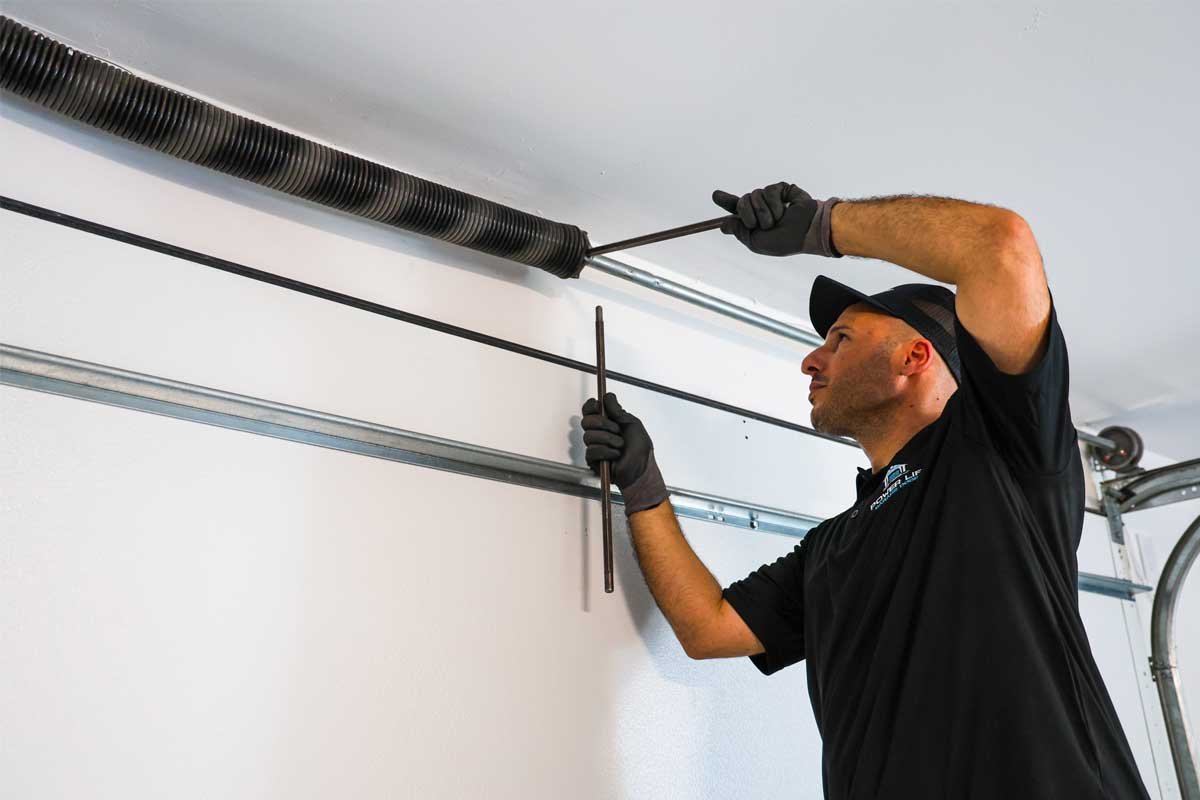
Professional services such as garage door repair ensure damaged panels and mechanisms are restored quickly. Garage door installation provides reliable upgrades for aging systems. Off-track repair restores proper alignment and prevents operational failure. Roller replacement improves movement quality and reduces noise. Broken cable repair restores lifting balance and enhances safety. Garage door tune-up services maintain peak performance through regular inspections.
Gate repair ensures damaged components are restored efficiently, while gate installation supports property upgrades with modern systems. Garage door springs repair and installation maintain proper lifting strength, and garage door opener repair and installation ensure smooth automated access.
Combining lubrication with these services creates a comprehensive maintenance strategy that improves long-term reliability across all entry systems.
Long-Term Cost Savings Through Regular Lubrication
Preventive maintenance always costs less than emergency repairs. Lubrication reduces friction that causes wear, preventing the need for frequent replacements.
Keeping moving components in good condition lowers energy consumption in automated gates and reduces strain on motors. This efficiency improves performance while extending equipment lifespan.
Homeowners who prioritize lubrication enjoy smoother operation, fewer interruptions, and greater long-term savings.
Final Thoughts
Following effective gate lubrication tips is one of the simplest yet most powerful ways to maintain smooth operation and prevent costly repairs. Consistent lubrication protects moving parts, improves safety, reduces noise, and extends the lifespan of both manual and automated gate systems. When combined with professional maintenance and related garage door services, lubrication becomes part of a complete strategy for protecting property access systems.At PowerLift Garage Doors, we believe reliable performance starts with preventive care. Whether you need expert maintenance, installation, or repair support, our team is committed to keeping your gates and garage doors operating efficiently for years to come.
