


 Repair
Why Does a Garage Door Slam Shut?
A garage door slams shut when tension, balance, or mechanical components fail to control its descent. Most often, this happens because of broken cables, worn-out cables, or improper door alignment. These issues cause the door to lose counterbalance, allowing gravity to pull it down forcefully.
When a door closes too fast, it poses a safety risk and can damage panels or the opener system. Understanding the cause is the first step to fixing it safely.
What Causes a Garage Door to Slam Shut?
The main culprits behind a garage door that slams shut include:
| Cause | Description | Common Signs |
| Broken or Weak Springs | Springs provide counterbalance; when they break, the door drops suddenly. | Loud bang, uneven door weight |
| Worn Cables | Frayed or stretched cables can’t support the door’s weight. | Door shakes or leans while closing |
| Misaligned Tracks | Tracks guide the rollers; misalignment increases friction or imbalance. | Grinding noise, uneven door travel |
| Faulty Opener Force Setting | Too high of a downward force setting allows the door to close too hard. | Door shuts too fast, safety sensors inactive |
| Damaged Rollers or Hinges | Worn parts affect smooth movement and balance. | Jerky motion, scraping sound |
Each component works together. When one fails, the door’s balance shifts, causing the slam.
How to Identify the Source of the Problem
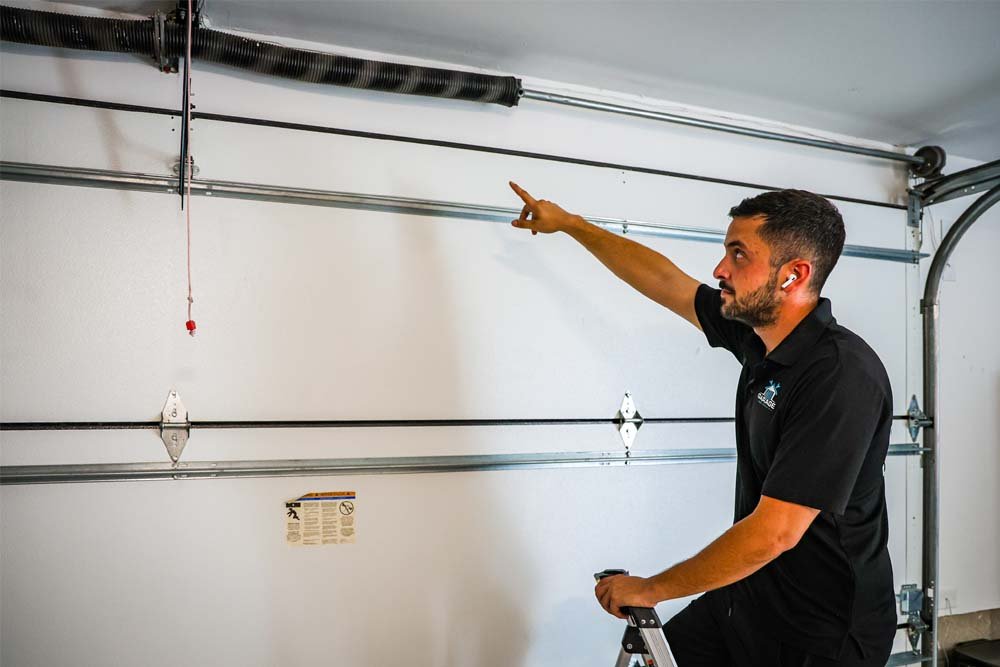
You can do a simple safety check before calling a professional. First, disconnect the garage door opener using the red emergency release cord. Lift the door halfway and let go. If it stays in place, the balance is good. If it falls rapidly, your springs have likely lost tension or broken entirely. Next, inspect the springs and cables closely. Gaps, rust, or fraying are clear signs they need replacement. Listen carefully while opening or closing the door manually—grinding or scraping noises often point to damaged rollers or misaligned tracks.
If the door operates normally when detached from the opener, the issue may lie within the opener’s force or travel settings. You can check the adjustment controls on the unit or refer to the manufacturer’s manual. However, if the door feels unusually heavy or unstable, stop immediately. Spring-related problems are dangerous and should only be handled by a qualified technician.
How to Fix a Garage Door That Slams Shut
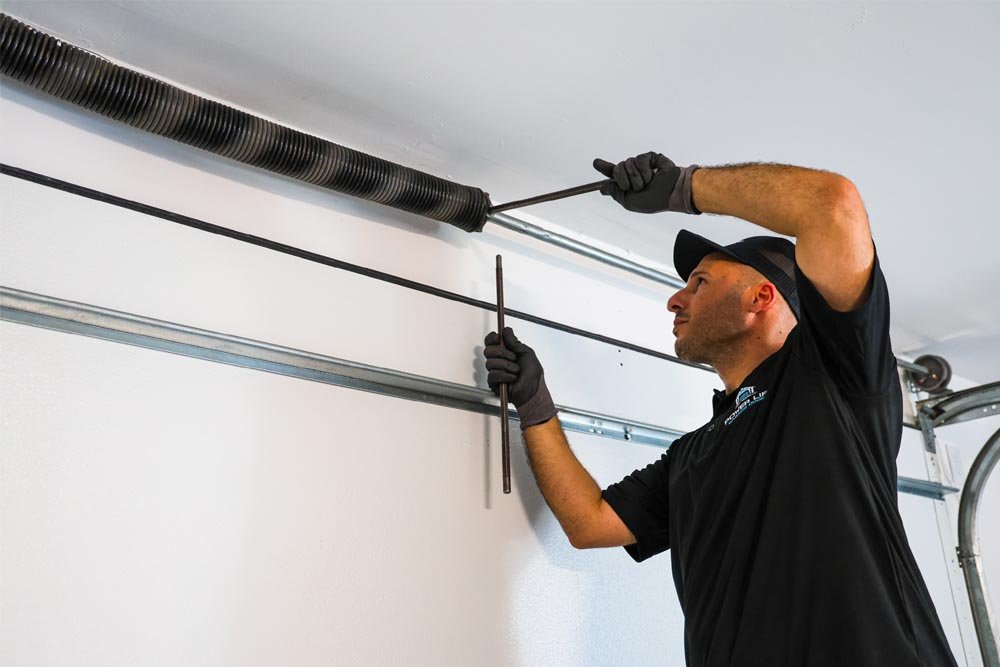
The repair process depends on what caused the problem. If the issue is a broken spring, professional replacement is mandatory. Torsion and extension springs are under extreme tension and can cause serious injury if mishandled. A certified technician uses specialized winding bars and calibration tools to restore correct tension and balance.
If the cables are worn, they should be replaced at the same time as the springs to maintain equal support. Using old cables with new springs can unbalance the system again. When the problem lies in track alignment, the technician loosens the brackets slightly, repositions the track with precision, and tightens it back in place. Lubrication also plays a role in smoother operation. Applying a silicone-based garage door lubricant to hinges, rollers, and springs every six months prevents friction and rust buildup, reducing wear.
For issues related to the opener, adjusting the force settings can solve the problem. If your garage door opener allows you to modify the downward pressure, reduce it slightly until the door closes gently. Always test the safety sensors afterward to ensure the door reverses when it touches an obstacle.
Is It Safe to Use a Garage Door That Slams Shut?
It’s never safe to use a garage door that slams shut. The sudden motion can crush objects, damage vehicles, or injure anyone underneath. The impact also strains the door panels and opener gears, leading to more costly repairs. Because of the door’s weight and the force of gravity, even a small closing acceleration can multiply pressure several times over. If you notice the door closing too fast, stop using it immediately and have it inspected by a professional.
How Weather and Climate Affect Door Balance
Many homeowners don’t realize that the weather can also affect how a garage door closes. Metal components expand in heat and contract in cold weather, which changes how the door balances. During winter, springs lose elasticity, and lubricants harden, increasing friction. In hot conditions, metal expansion can reduce spring tension and make the door feel heavier. Performing seasonal maintenance before major temperature changes helps maintain balance and prevents the door from slamming unexpectedly.
How to Prevent a Garage Door from Slamming in the Future
Prevention starts with regular maintenance. Testing your door’s balance every month is one of the easiest ways to detect problems early. To do this, pull the emergency release cord and lift the door manually halfway. A balanced door will stay in position. If it falls, the springs need adjustment. Keeping moving parts lubricated twice a year also reduces wear and prevents friction that can cause uneven closing.
It’s wise to schedule professional maintenance twice a year—once before winter and once before summer. A technician will inspect the springs, cables, rollers, and opener for wear, adjust the balance, and verify that the auto-reverse sensors function correctly. Replacing springs every seven to nine years and rollers every five years ensures optimal safety and smooth movement.
DIY or Professional Repair—Which Is Better?
Some homeowners prefer to handle minor garage door maintenance themselves, such as lubricating hinges or tightening screws. However, repairs involving springs, cables, or balance adjustments should always be handled by professionals. These components are under extreme tension, and improper handling can lead to injury or further damage. Professional technicians also have the advantage of diagnostic tools to measure spring tension and opener force precisely.
At PowerLift Garage Doors, technicians provide expert diagnosis, spring balancing, cable replacement, and full system tuning. Every service meets U.S. safety standards and manufacturer guidelines for major brands like LiftMaster, Chamberlain, and Clopay. Hiring a certified expert ensures your repair is safe, durable, and covered under warranty.
How Much Does It Cost to Fix a Garage Door That Slams Shut?
| Repair Type | Average Cost (U.S.) | Notes |
| Spring Replacement | $200 – $350 | Includes labor and parts |
| Cable Replacement | $150 – $250 | Dual cable replacement recommended |
| Track Realignment | $125 – $200 | Includes inspection |
| Roller Replacement | $90 – $180 | Improves door movement |
| Force Setting Adjustment | $75 – $150 | Usually part of a service call |
Regular maintenance is far cheaper than emergency repair. Preventive tune-ups often cost under $100 and can save hundreds long-term.

Why Choose PowerLift Garage Doors
PowerLift Garage Doors specializes in diagnosing and fixing doors that slam shut, close too fast, or fail to balance properly. Their certified technicians provide same-day service and use precision tools to ensure spring tension and cable alignment meet exact manufacturer specifications. Services include spring and cable replacement, opener calibration, roller repair, and preventive maintenance programs. Every service call includes a complete safety inspection to ensure your garage door operates smoothly and securely.
You can schedule service directly through Power LiftGarage Doors or contact their 24/7 emergency hotline. Their team is dedicated to providing fast, safe, and affordable repairs across Pearland, TX.
Final Thoughts
A garage door that slams shut isn’t just a minor issue—it’s a mechanical warning. Whether caused by broken springs, worn cables, or misaligned tracks, it’s a problem that needs immediate attention. Regular maintenance, seasonal tune-ups, and professional service can prevent future problems and ensure your door operates safely year-round.
If your garage door has started slamming shut or closing too fast, don’t wait until it causes damage or injury. Visit Power LiftGarage Doors today to schedule a professional inspection and restore your garage door’s smooth, safe operation.
Common Questions
Q1. Why does my garage door close too fast suddenly?
Your springs likely lost tension or broke. This reduces counterbalance, causing the door to fall quickly.
Q2. Can I open a garage door with a broken spring?
You shouldn’t. Doing so strains the opener and can snap cables or warp panels.
Q3. How long do garage door springs last?
Typically 10,000 cycles, or about 7–9 years for most homes. Frequent use shortens this lifespan.
Q4. What happens if I ignore the problem?
Ignoring a slamming door leads to motor failure, misaligned tracks, and possible injury risk.
Q5. What lubricant is best?Use silicone-based or lithium-based lubricants. Avoid WD-40—it removes grease instead of lubricating.
